EU Presidency Series: Securing Irish Government in a High-Stakes Year #1
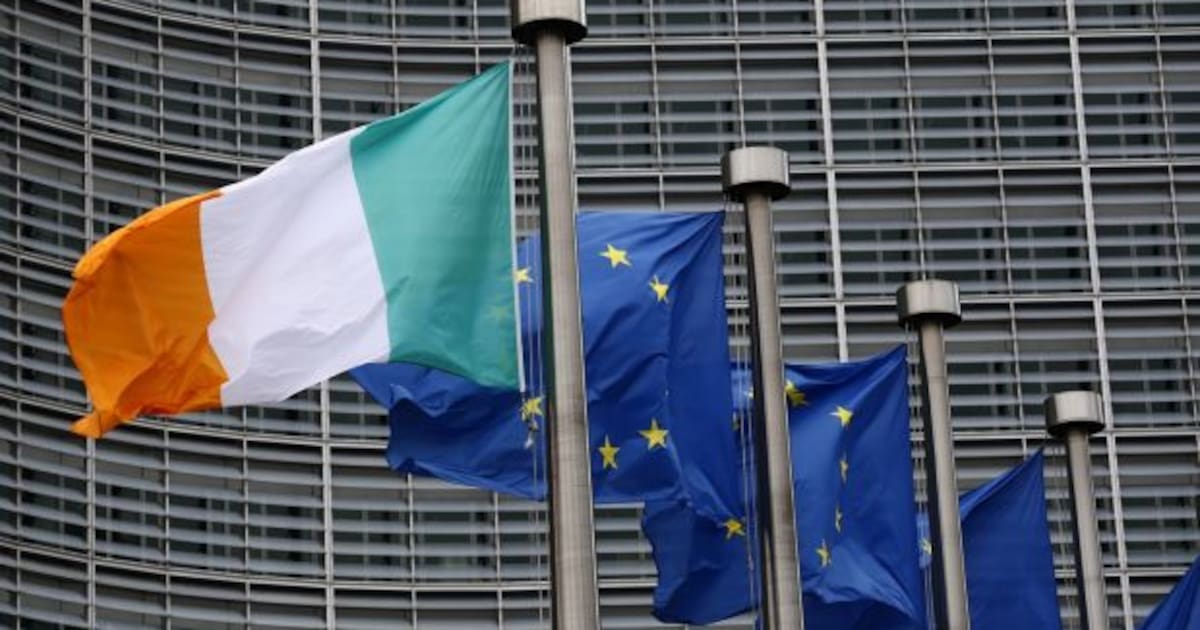
For six months, all roads in European policy lead to Dublin. Ireland’s EU Council Presidency brings with it enormous diplomatic prestige, significant administrative responsibility — and a cyber threat landscape that looks very different to business as usual.
If your organisation is part of Ireland’s public sector, even at one remove, now is the time to take a clear-eyed look at your security posture. Here’s why the Presidency changes the risk calculation, and what you should be thinking about.
A bigger stage means a bigger target
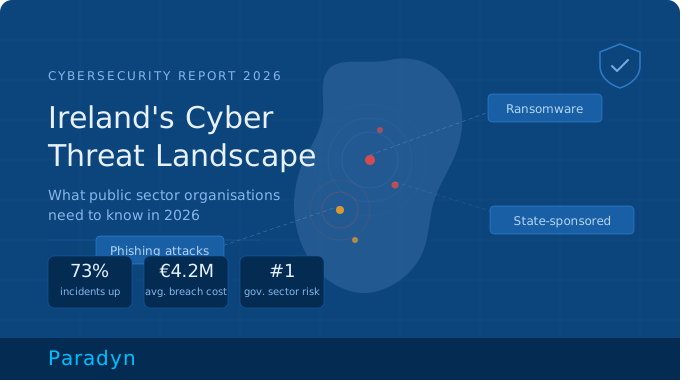
State-sponsored cyber actors — groups affiliated with nation-states that have an interest in European policy outcomes — routinely increase their targeting activity around high-profile geopolitical events. An EU Council Presidency is exactly that kind of event. Ireland is now a hub for sensitive policy deliberation across areas including defence, trade, energy, and digital regulation. That makes Irish government systems significantly more attractive to actors seeking intelligence, looking to disrupt proceedings, or attempting to exert influence on outcomes.
This isn’t speculation. The European Union Agency for Cybersecurity (ENISA) has consistently documented spikes in attacks targeting government and public administration during periods of elevated geopolitical significance. Ireland experienced this first-hand with the HSE ransomware attack of 2021 — a stark reminder that Irish public sector organisations are not too small, too obscure, or too peripheral to be targeted.
It’s not just the big departments
One of the most dangerous assumptions an organisation can make is that the risk belongs to someone else — the Department of Foreign Affairs, perhaps, or the Taoiseach’s office. In practice, the attack surface of a Presidency extends far beyond the headline institutions.
Threat actors frequently target peripheral or supporting organisations as a stepping stone into more sensitive networks. A local authority, a semi-state body, a shared IT services provider, or even a third-party supplier to a government department can all serve as an entry point. If your organisation connects to, shares data with, or provides services to any part of the Irish public sector, you are part of the attack surface — whether you think of yourself that way or not.
The threat landscape right now
The types of threats that increase during periods of heightened geopolitical attention include:
- Spear phishing and social engineering. Highly targeted email campaigns, often referencing real events or plausible professional contexts, designed to trick staff into surrendering credentials or installing malware. During a Presidency, there is no shortage of credible-sounding pretexts — EU policy updates, ministerial correspondence, stakeholder briefings.
- Ransomware. Opportunistic criminal groups take advantage of moments when organisations are stretched, distracted, or operating under new pressures. A busy, understaffed IT team during a major diplomatic period is an attractive target.
- Supply chain attacks. Rather than attacking a well-defended target directly, sophisticated actors compromise a trusted supplier or software vendor first. Irish government organisations should be asking hard questions about the security posture of their supply chains right now.
- Hacktivism and disruption. Not every attack is about extracting data or demanding ransom. Some actors aim simply to embarrass, disrupt, or undermine confidence in Irish institutions during a moment when Ireland is under the international spotlight.
The good news: the window to act is now
Heightened risk does not mean inevitable compromise. The organisations that weather elevated threat periods well are invariably those that used the time before the storm to get their fundamentals right. Strong security hygiene — the kind that comes from structured risk assessment, disciplined patch management, robust identity controls, and a clear picture of your own vulnerabilities — dramatically reduces the likelihood of a successful attack.
Over the coming weeks, this series will walk through each of those fundamentals in practical, actionable terms. Not theoretical frameworks, but concrete steps that Irish public sector organisations can take right now to reduce their exposure.
The EU Presidency is a moment of national pride and significant responsibility. Making sure that moment isn’t defined by a security incident is the job in front of us.
Coming up in this series
– Know your exposure — risk assessment as your first line of defence
– Patches aren’t optional — why patch management is non-negotiable
– See your weaknesses before attackers do — vulnerability management done right
– One password isn’t enough — making MFA work across your organisation
– Security posture — moving from reactive firefighting to proactive resilience
– After the Presidency — sustaining the security gains you’ve made
This article is part of an ongoing series on cybersecurity for Irish government organisations, brought to you by Paradyn. If you’d like to discuss your organisation’s current security posture, reach out to the Paradyn team and we’ll set up a conversation.