
EU Presidency Series: Securing Irish Government in a High-Stakes Year #2
You cannot protect what you don’t understand. It sounds obvious, but in the day-to-day reality of running IT for a public sector organisation — with limited resources, competing priorities, and legacy infrastructure that has grown organically over years — it is surprisingly easy to lose a clear picture of what you actually have, what it connects to, and what would happen if it were compromised.
A structured risk assessment gives you that picture back. And during a period of elevated cyber threat — like the one Ireland is navigating right now as EU Council Presidency holder — it is the single most important thing you can do before anything else.
What a risk assessment actually is
A risk assessment is not a tick-box compliance exercise, though it can satisfy compliance requirements. At its core, it is a systematic process for answering four questions:
1. What assets do we have? Systems, data, people, processes — anything of value that could be targeted or disrupted.
2. What threats face those assets? Who might want to attack you, how, and why? During the Presidency period, this threat picture is more complex than usual.
3. What vulnerabilities exist? Where are the gaps in your defences that a threat actor could exploit?
4. What is the potential impact? If a given asset were compromised, what would the operational, reputational, and legal consequences be?
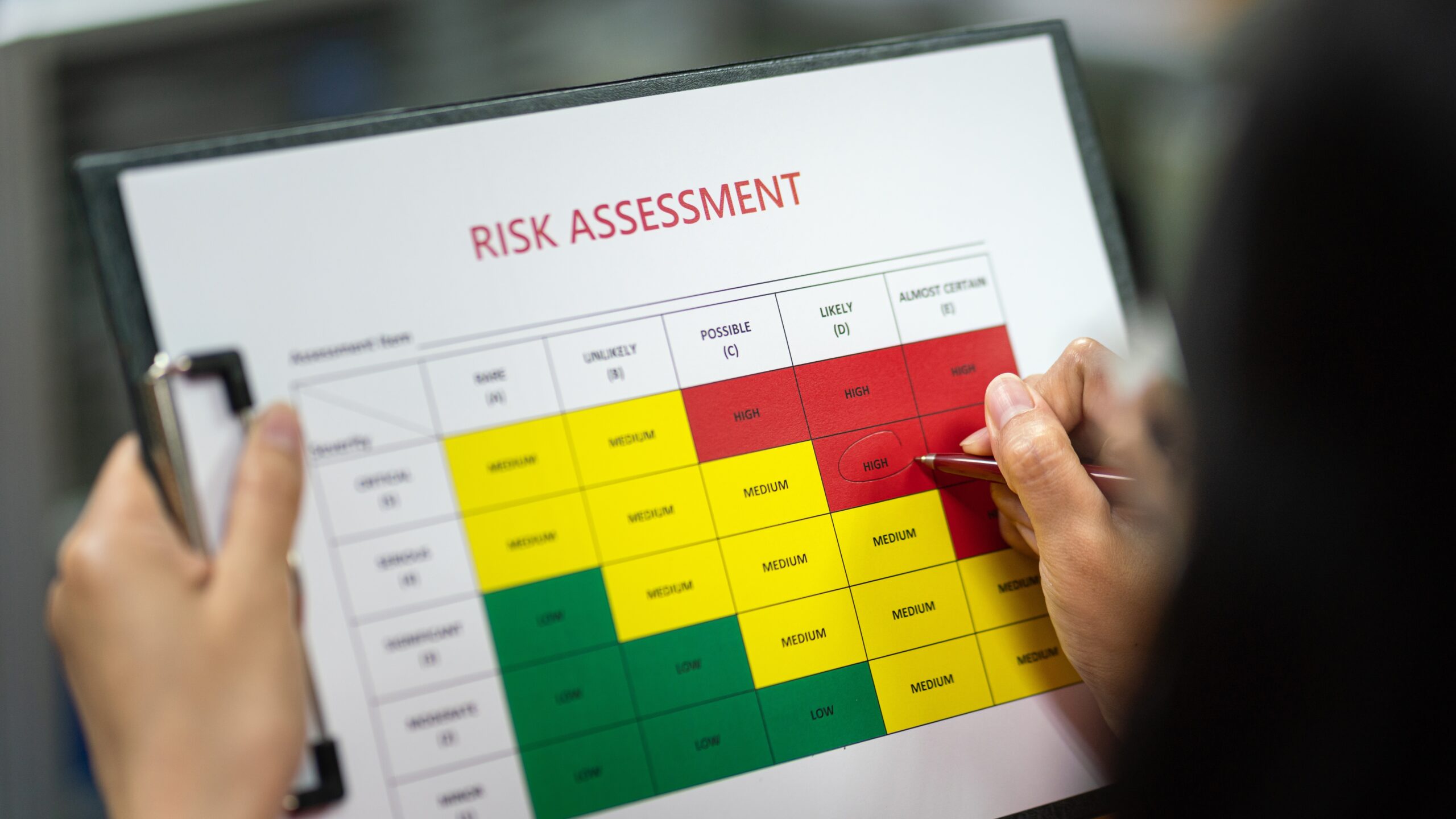
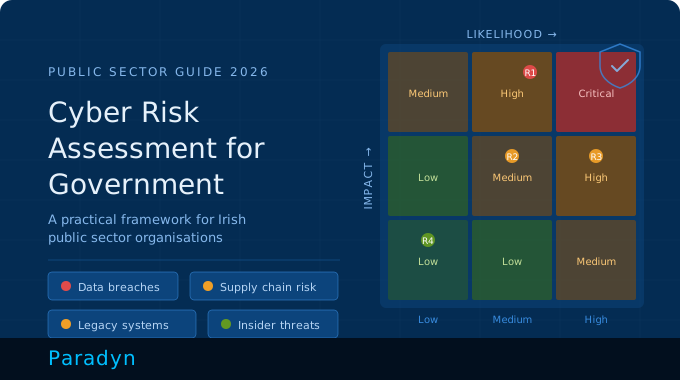
The output is not a report that sits on a shelf. It is a prioritised list of risks — ranked by likelihood and impact — that drives every subsequent security decision your organisation makes.
Why it has to come first
Every other security control in this series — patch management, vulnerability scanning, MFA, posture improvement — requires context to be effective. Patching everything equally is impossible and inefficient. You need to know which systems are critical, which are internet-facing, and which feed into sensitive processes. That context comes from a risk assessment.
Without it, security spending is essentially guesswork. Organisations end up over-investing in areas of low risk and under-investing where it matters most. A well-executed risk assessment makes every euro of security budget go further.
The Irish public sector context
Risk assessments for government organisations need to account for some factors that are less common in the private sector.
Legacy systems are the often the norm, not the exception. Many Irish public sector organisations are running infrastructure that was never designed with modern threat actors in mind. Understanding the risk profile of older systems — and being realistic about what can be patched versus what needs to be isolated or replaced — is a critical output of any honest assessment.
Interconnected networks create shared risk. Government organisations frequently share networks, data, or services with other bodies. A risk assessment needs to map these dependencies clearly, because a compromise of one organisation can propagate quickly through a connected ecosystem.
Data classification matters enormously. Not all data carries the same risk. Personal data held under GDPR obligations, sensitive policy documents relevant to the Presidency, and critical operational data each demand a different level of protection. A risk assessment should drive a clear data classification framework.
Supply chain exposure is often underestimated. Third-party vendors, managed service providers, and software suppliers all represent potential entry points. An assessment that stops at your own perimeter is incomplete.
What good looks like
A well-executed risk assessment for a public sector organisation should:
– Be conducted or validated by an independent party, not solely by the internal team whose work it will scrutinise
– Include asset discovery — you cannot assess risk to systems you don’t know exist
– Consider both technical vulnerabilities and organisational ones (process gaps, staff awareness, governance weaknesses)
– Produce outputs in plain language that are meaningful to senior leadership, not just the IT team
– Have a defined review cycle — a risk assessment is not a one-time event, particularly during a period of elevated threat
Your action this fortnight
If your organisation does not have a current, documented risk assessment — completed within the last 12 months — that is where your energy should go first. If you have one, now is the time to dust it off, pressure-test its assumptions against the current threat environment, and check whether the risk landscape has shifted since it was written.
The goal is not a perfect document. The goal is an honest, up-to-date picture of where you stand — so that every decision you make from here is grounded in reality rather than assumption.
Paradyn works with Irish public sector organisations to conduct structured risk assessments that are practical, independent, and directly actionable. If you’d like to set up a conversation about where your organisation stands, reach out to the Paradyn team today.